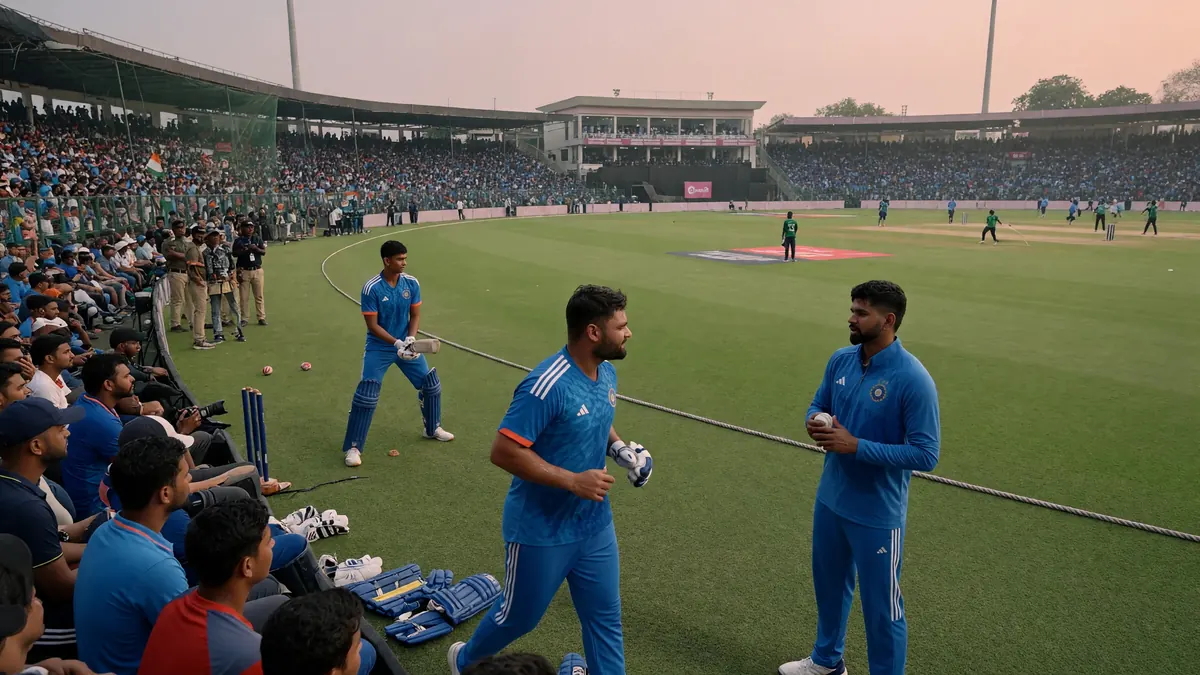
The 1st T20I is the first of three contests scheduled between 23 and 26 July 2026. For Iyer, the assignment is his third spell leading India in the shortest format, and the ledger still shows no victory under his captaincy. The dressing-room picture is slightly different from a full home tour as well: VVS Laxman is with the group, while head coach Gautam Gambhir and his regular support staff are not travelling for this leg.
Squad churn has already shaped the bowling group. Ravi Bishnoi and Prince Yadav came into the party as replacements for injured Harshit Rana and Varun Chakravarthy. Arshdeep Singh is rested for the series, which shifts the wicket-taking load among the pacers and seam-allrounders who did make the trip. Among bowlers currently in the squad, Shivam Dube holds the most T20I wickets with 13 from 21 matches — a reminder that India may lean on multi-skill options rather than a pure specialist attack on Harare’s slower middle-over surface.
Attention on the batting card sits heavily on younger and middle-order firepower. Vaibhav Sooryavanshi enters the conversation as a high-intent stroke-maker looking to catch the captain’s eye in a low-pressure series window, while Rinku Singh’s finishing reputation keeps him central whenever India need late acceleration. Neither selection debate is settled by press-room noise alone; Thursday’s XI and roles will say more than any preview paragraph.
Match snapshot: date, venue and broadcast
India versus Zimbabwe, 1st T20I, is set for Thursday 23 July 2026 at Harare Sports Club in Harare. Broadcast listings point to United8 Sports Network on television, DD Sports as the free-to-air option, and Fancode for streaming. Afternoon conditions in the capital are forecast sunny around 25°C, with no rain in the outlook, humidity near 18%, and wind gusts around 24 km/h — a clean window for a full 40-over contest if both innings stay on schedule.
Historically, the bilateral ledger favours India. Across 14 previous T20Is, India lead 11–3. That head-to-head edge does not erase the immediate form problem: six straight T20I losses mean the first half-hour in Harare is as much about composure as it is about talent depth.
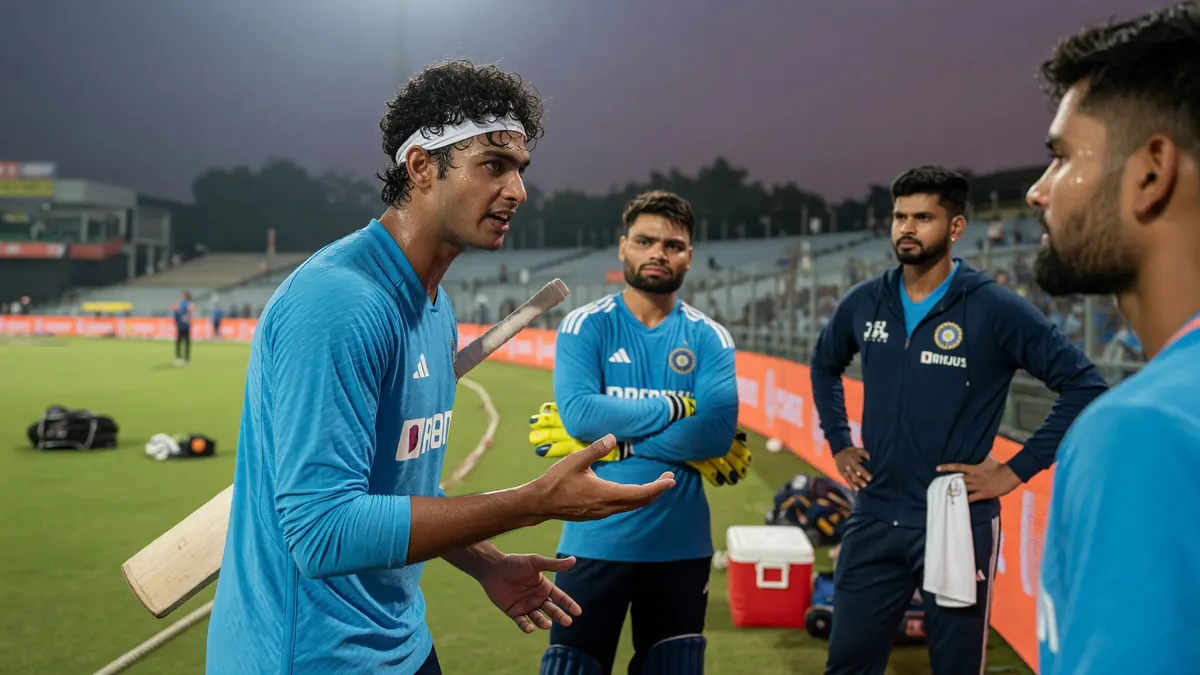
Why the captaincy marker matters for Iyer
Captaincy records in bilateral T20Is can look minor next to World Cup cycles, yet they shape selection confidence and on-field risk appetite. Iyer has already handled two earlier T20I assignments without a win. A third without a result would not define his white-ball future on its own, but it would keep questions alive about how India want their backup leadership ladder to look while senior names rotate through rest windows.
The absence of Gambhir’s full staff and the presence of Laxman change the day-to-day support texture more than the playing XI math. Message consistency still sits with the captain and the senior players who have lived through the Ireland and England setbacks. Breaking the streak against Zimbabwe would not rewrite those earlier series, but it would give the group a clean scoreboard reference before tougher assignments return.
From a tactical chair, Iyer must decide how aggressively India chase early wickets with the new ball and how much trust to place in spin through the middle. Harare Sports Club has a reputation for slowing up after the powerplay, rewarding spinners who hit a hard length and batters who are willing to rebuild rather than force every over. Captains who win the toss here have often preferred to bat first; no side has successfully chased 200 or more in T20Is at the ground, according to the venue brief circulating with the preview material.
India’s 2026 T20I form markers inside the current squad
Ishan Kishan is India’s leading T20I run-scorer in 2026, with 667 runs in 20 matches at a strike rate of 182.73. That tally includes a century against New Zealand on 31 January. Those numbers set a clear ceiling for what India want from the top and upper-middle order: intent without reckless dismissals in the first six, then calculated risk once the field spreads.
With Arshdeep rested, the bowling hierarchy is less straightforward. Dube’s 13 T20I wickets across 21 matches make him the current squad’s leading wicket-taker on paper, but his primary value remains the dual role — overs through the middle or at the death paired with lower-order hitting. Bishnoi’s return strengthens the wrist-spin option that India often use when pitches grip. Prince Yadav’s inclusion covers the injury to Rana and gives the pace stocks another body for short bursts if the new ball offers any seam movement under Harare’s cooler high-veld feel late in the day.
Sooryavanshi and Rinku represent different kinds of upside. The former is the surge-option India can use to stretch a powerplay or exploit a short boundary if conditions allow. Rinku’s body of finishing work in domestic and franchise cricket is the more familiar insurance policy when a chase tightens or a total needs a final five-over shove. How many of those roles fit into one XI depends on whether India prioritise an extra bowler or an extra hitter against Zimbabwe’s attack.
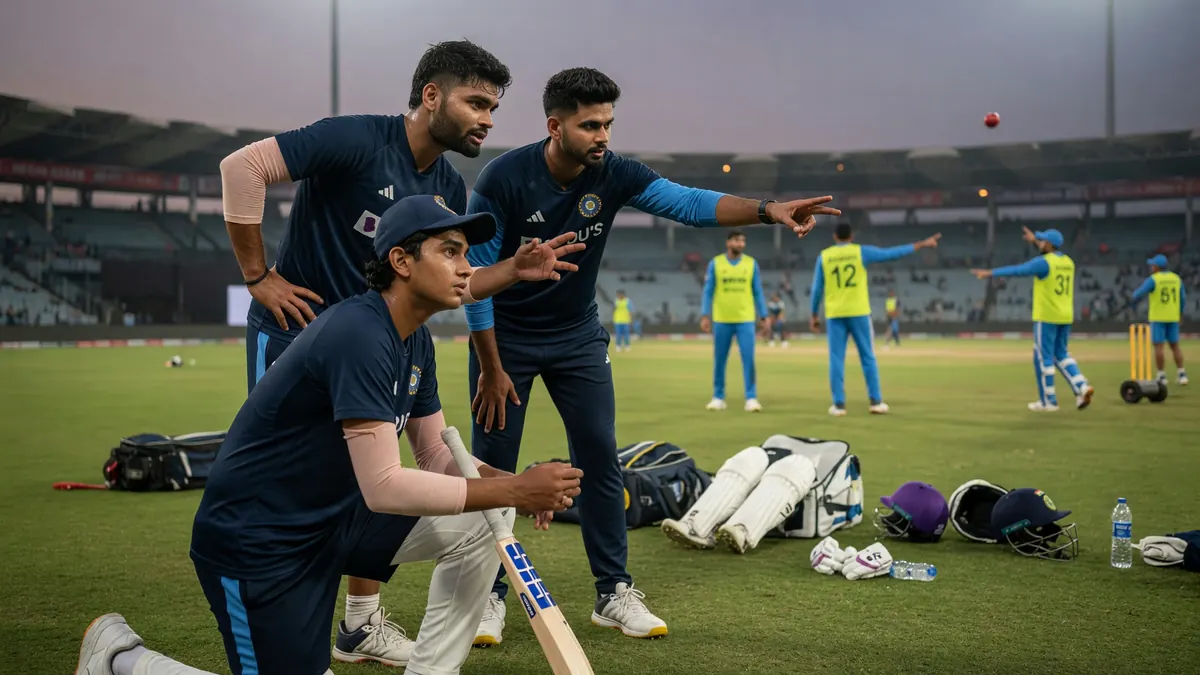
Zimbabwe’s 2026 reference points
Zimbabwe are not arriving without individual form. Brian Bennett leads their 2026 T20I run charts with 394 runs in nine matches at a strike rate of 135.86, including an unbeaten 97. That profile suggests a batter who can occupy the crease and still keep the rate honest — exactly the type who punishes loose India spells if the visitors overattack early.
Blessing Muzarabani heads the wicket column with 17 scalps in nine matches at an economy of 7.17, best figures 4/17. His length and bounce remain the clearest threat to India’s top order, especially if the new ball moves under any cloud cover that sneaks through the sunny forecast. For a home side defending modest totals, Muzarabani’s ability to take a cluster of wickets can flip a game even when the overall scoring rate stays controlled.
Zimbabwe’s historical 3–11 record against India in T20Is is a long-run sample, not a Thursday script. Home conditions, India’s rotation, and the visitors’ recent losing streak all compress the gap relative to a full-strength India tour party on Indian pitches. The hosts’ path is familiar: early wickets with the new ball, squeeze through spin or cutters in the middle, and deny the boundary options that India’s finishers prefer.
Pitch and conditions at Harare Sports Club
The ground brief that accompanied the series build-up describes a surface that leans toward bowlers once the ball softens, with spinners especially effective through the middle overs. Pacers can still find something with the new ball, but batters are repeatedly told they need time at the crease before expansion shots become high-percentage. That pattern explains why batting first has been a popular toss choice and why 200-plus chases have not been completed successfully in T20Is here.
Thursday’s weather board is simple: sunshine, about 25°C, negligible rain chance, low humidity near 18%, and gusts around 24 km/h. Low humidity can keep the outfield quick if the square is dry, which partly offsets the slower pitch narrative for well-timed strokes along the ground. Wind direction may nudge captains toward one straight boundary or the other when setting fields for the death overs.
For fantasy readers tracking roles rather than narratives, the practical translation is straightforward. Expect value in batters who bat through a full quota rather than pure cameo hitters if the surface truly holds. Expect overs from spinners and medium-pace cutters to carry economy upside. Expect toss-dependent captain choices to swing toward the side batting first if the afternoon stays true to the forecast.
Selection threads worth watching before the toss
Several XI questions will resolve only when the teamsheet lands. Does India open with pure aggression or balance the powerplay with a steadier partner for Kishan if he plays? Does Rinku lock the finishing seat, or does the side carry an extra bowling option and ask Dube or a lower-order batter to close? How many overs are earmarked for Bishnoi on a ground that historically helps spin after the sixth over?
On the Zimbabwe side, Bennett’s place in the top order and Muzarabani’s new-ball share are the two markers most likely to decide whether the hosts can apply scoreboard pressure. If Bennett bats long, India’s middle-over plans must hold. If Muzarabani strikes in the powerplay, Iyer’s first captaincy win becomes a chase problem rather than a total-defence problem — and chases above par have been hard work at this venue.
Injury replacements already tell part of India’s contingency story. Losing Rana and Chakravarthy removes a young seam spark and a proven mystery spinner; Bishnoi and Yadav are direct attempts to keep those skill sets on the park. Resting Arshdeep is a workload call that may look different if the series tightens, but for the opener it simply means someone else must own the left-arm angle and the death yorkock plan.
Series context beyond Thursday
The full series runs only to 26 July 2026, so there is little room for a slow start. India will want at least one convincing performance to steady dressing-room confidence after the Ireland and England results. Zimbabwe will treat home conditions as their best chance to add to those three prior T20I wins against India and to build confidence for the broader 2026 calendar.
Iyer’s leadership sample remains small. A win in Harare would be a single data point, not a career rewrite, yet it would be the first positive T20I result under his captaincy and a useful reference for selectors managing rest rotations among senior white-ball names. Laxman’s presence offers continuity of senior Indian cricket voice even without the full coaching contingent, which may matter more in huddles than in press conferences.
Viewers in India can follow the contest on United8 Sports Network and DD Sports, with Fancode carrying the stream. For readers who follow squad notes and later fixtures through the season, the CricShots11 news desk will continue logging verified team and series developments as they land.
What to watch when the first ball is bowled
Three on-field checks will frame the evening quickly. First, whether India’s new-ball pair can create an early chance against Bennett and company before the pitch flattens into its middle-over pattern. Second, whether Sooryavanshi or Rinku — whichever roles they are handed — can turn a stable platform into a total that pressures Zimbabwe’s chase history at the ground. Third, whether Muzarabani can force a top-order mistake that lets Zimbabwe dictate tempo with the ball.
If India bat first and clear 170 with wickets in hand, the venue record suggests a defendable zone even without a 200-plus total. If they chase, the absence of successful 200-plus hunts at the ground becomes less relevant than whether the required rate ever climbs into panic territory after the tenth over. Either way, Iyer’s first captaincy win is the simplest scoreboard target of the night — and the one the recent streak has made hardest to take for granted.
Key facts at a glance
Thursday will not settle every white-ball question hanging over India after the Ireland and England results. It can, however, give Iyer a first T20I win as captain, hand Sooryavanshi and Rinku a stage to press their claims, and show whether the Bishnoi–Yadav reinforcements steady a bowling group missing Rana, Chakravarthy and the rested Arshdeep. The next scoreboard that matters is the one at Harare Sports Club when the 1st T20I ends.